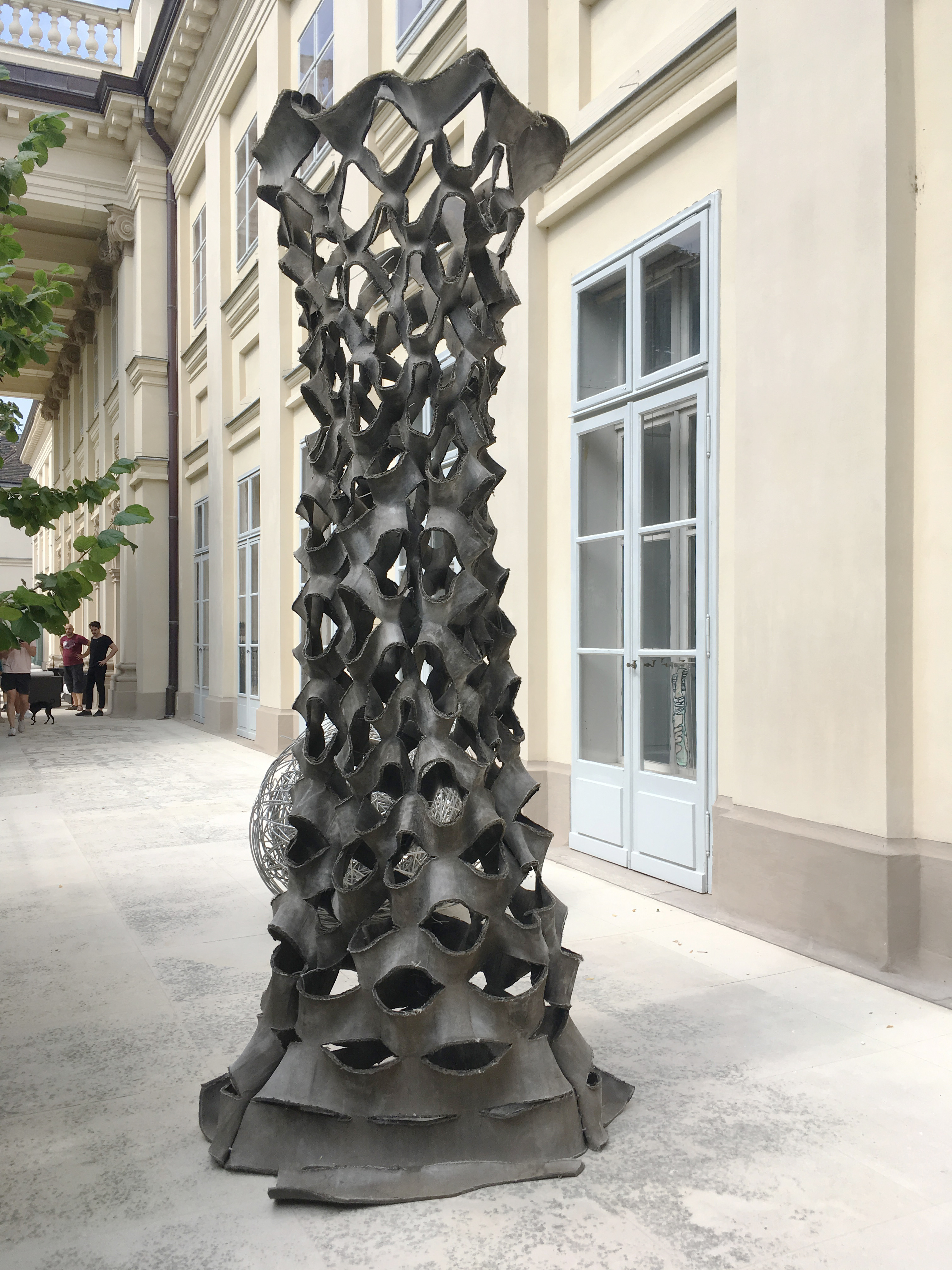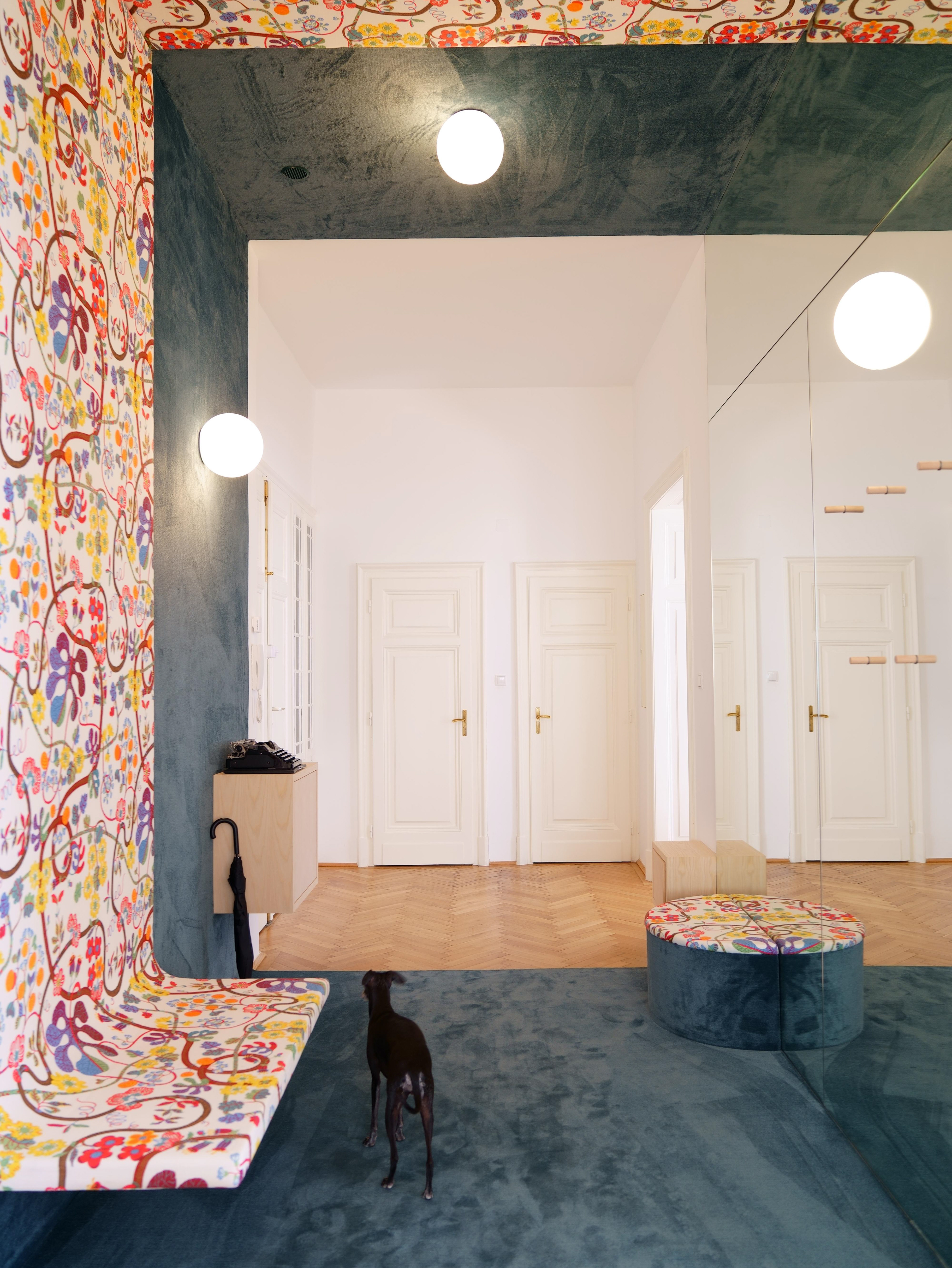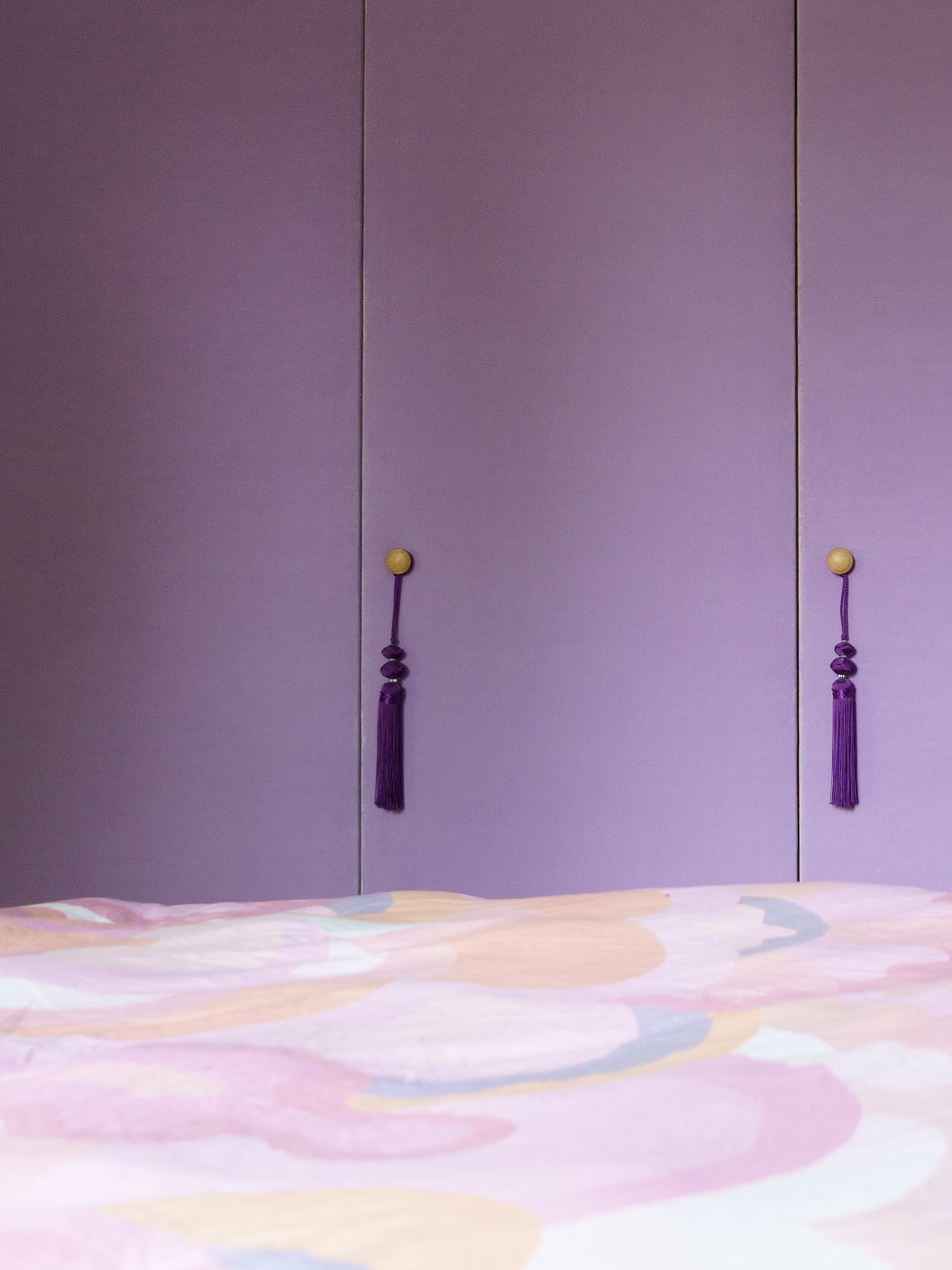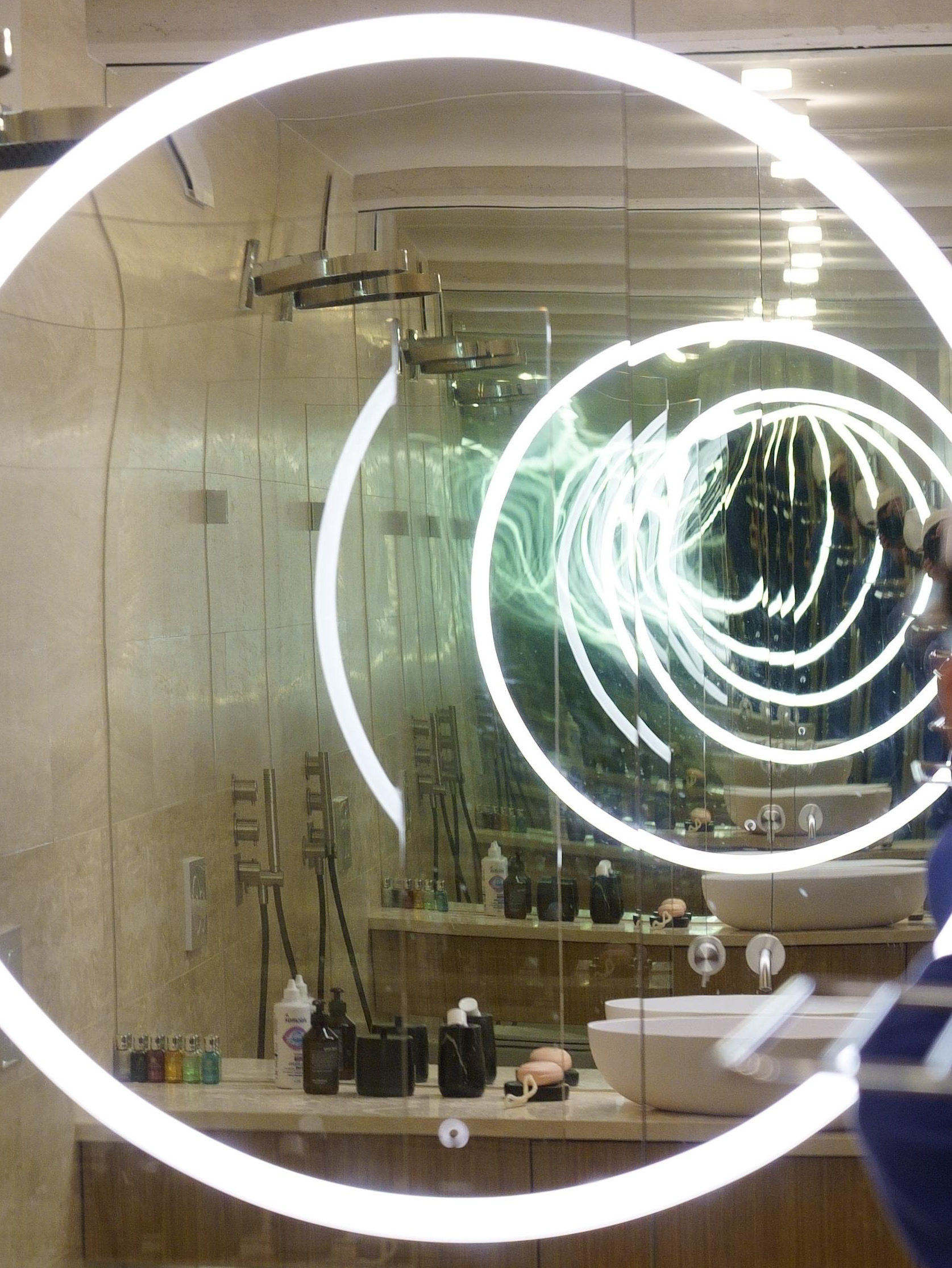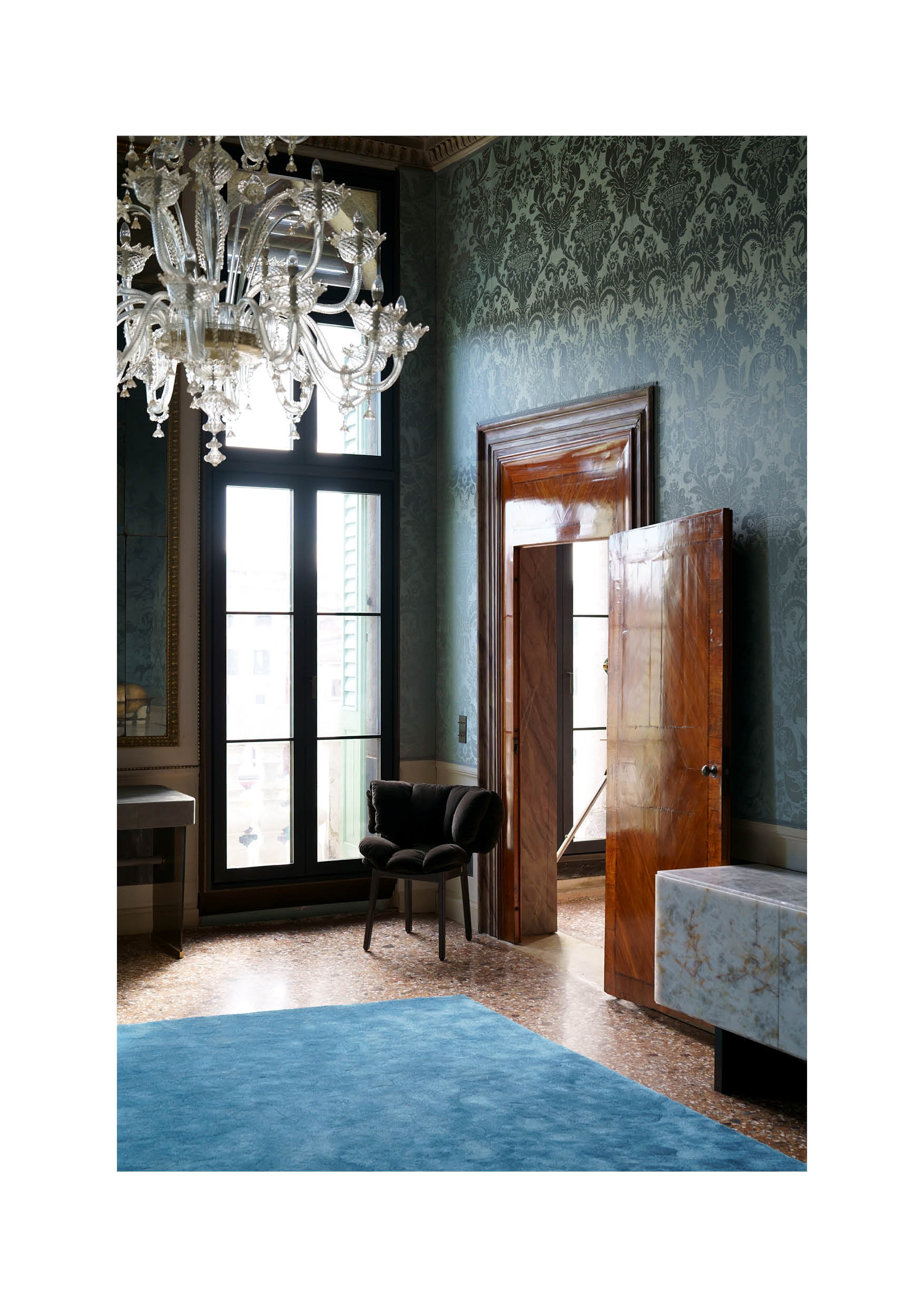
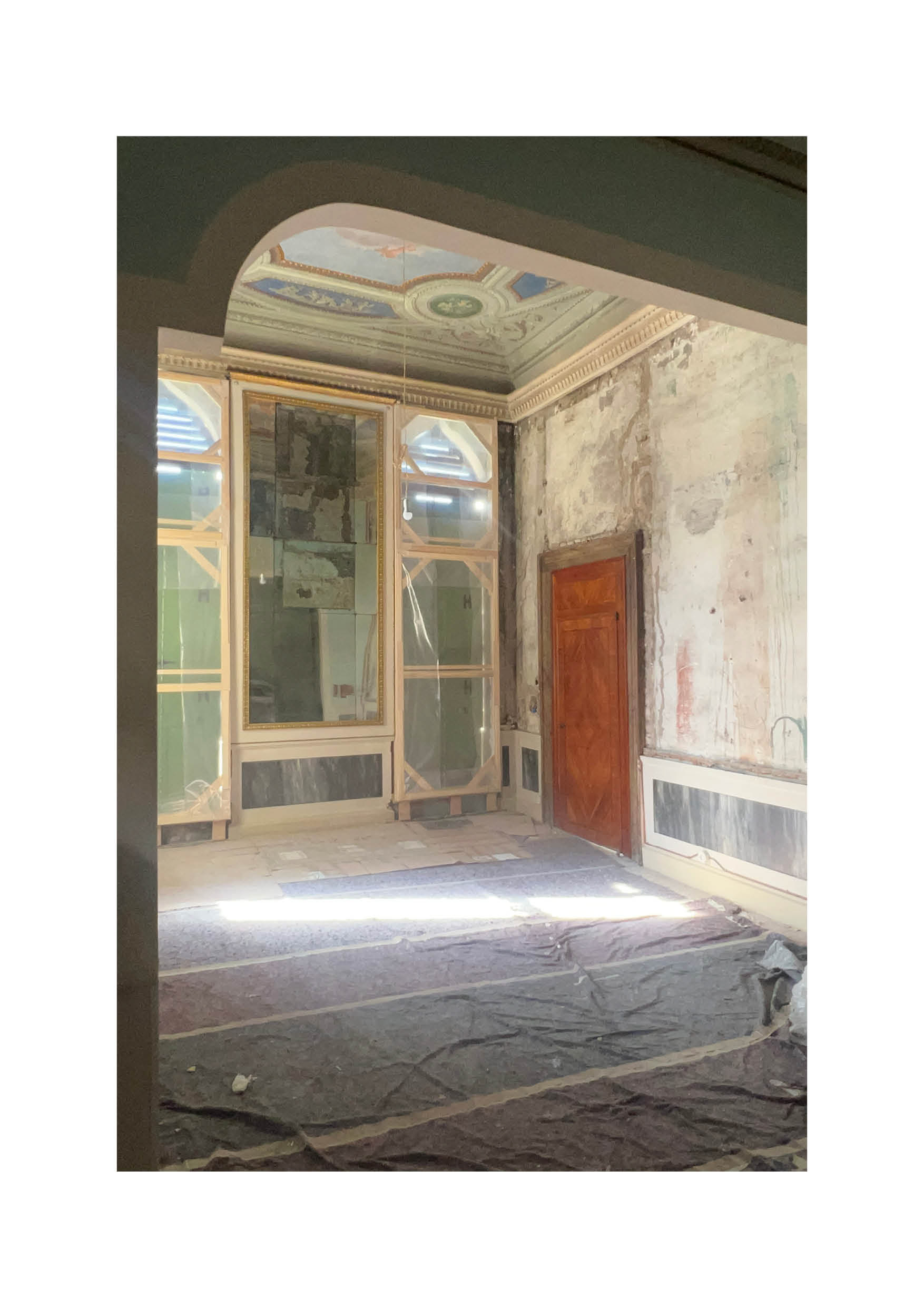
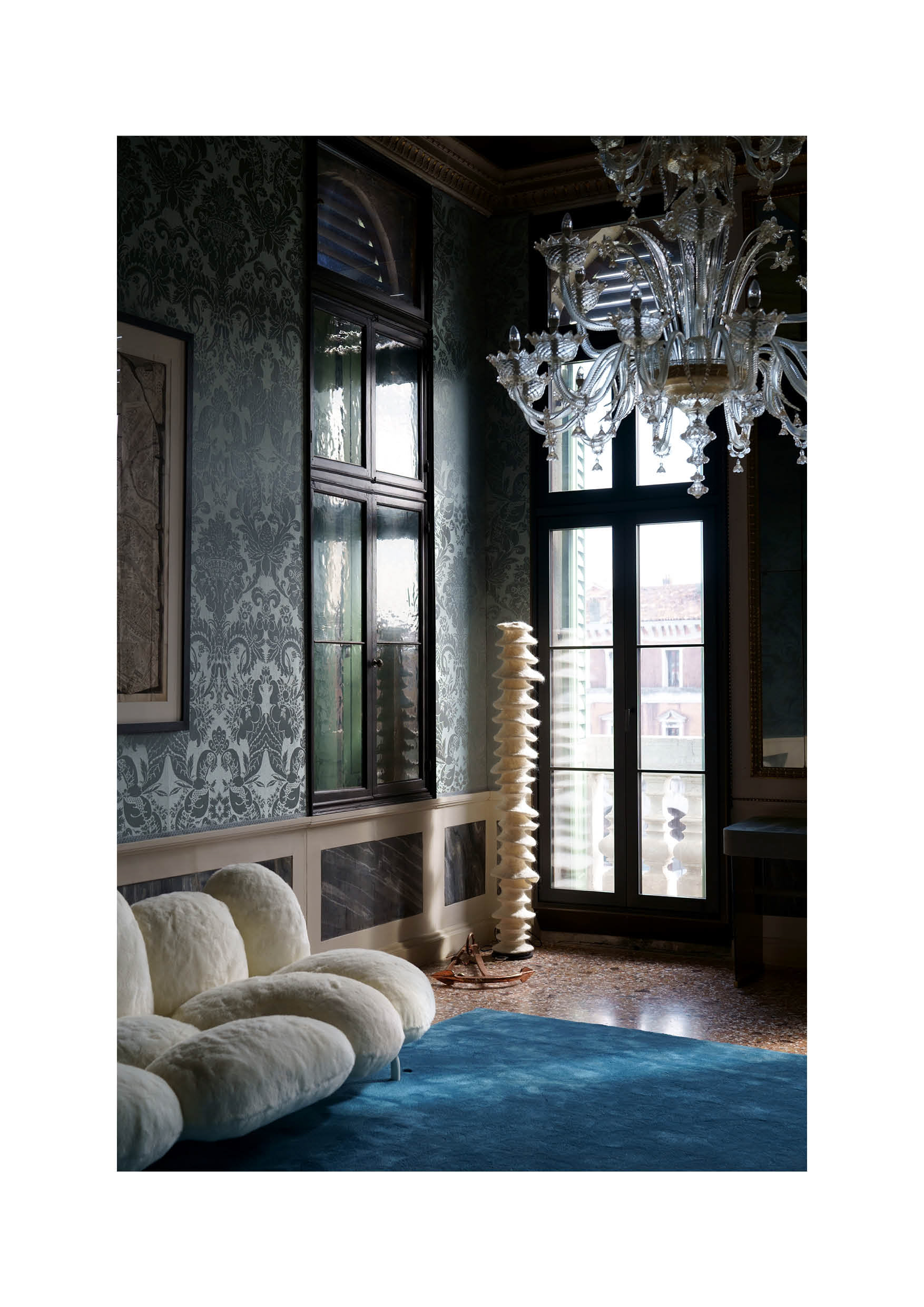
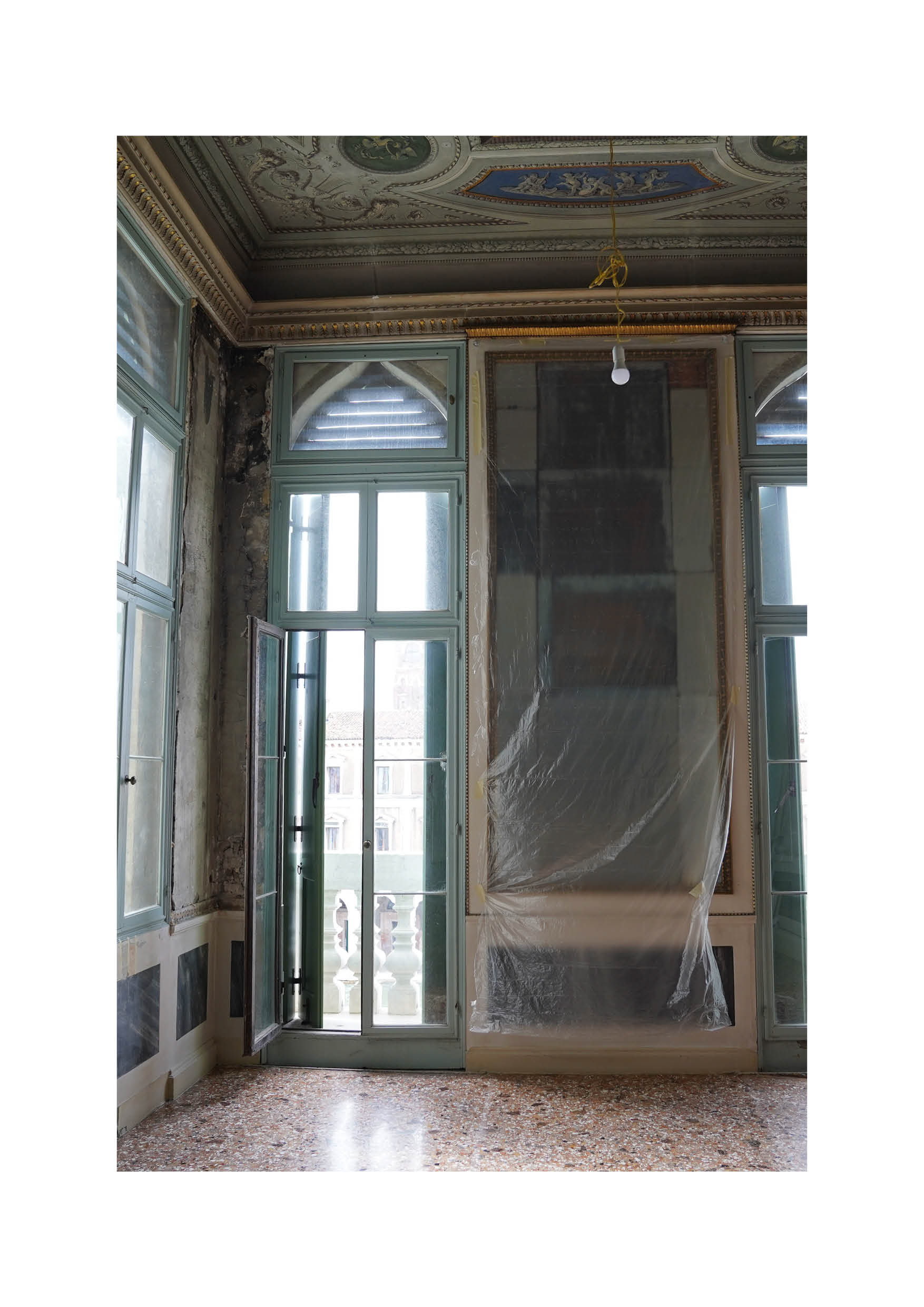
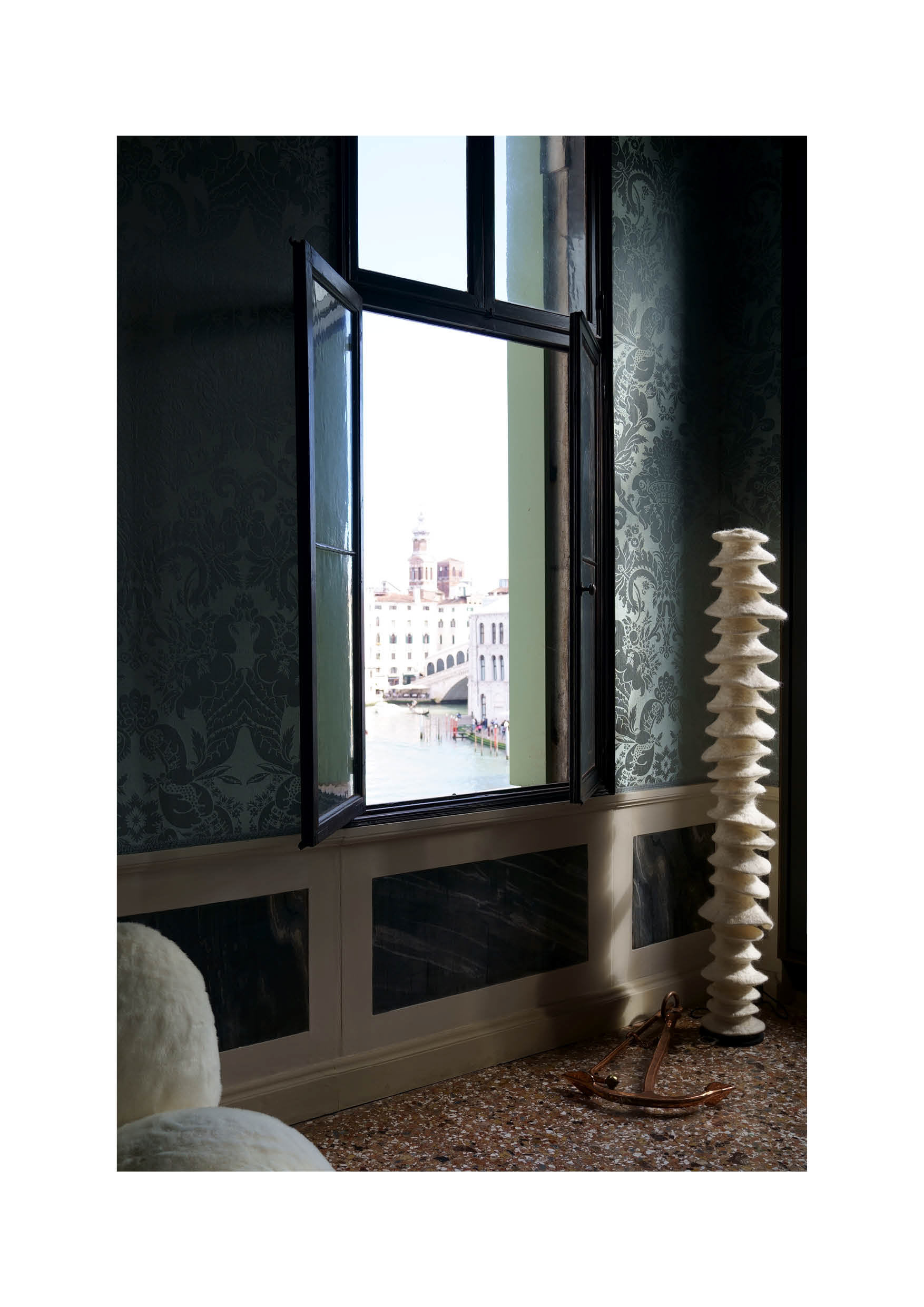
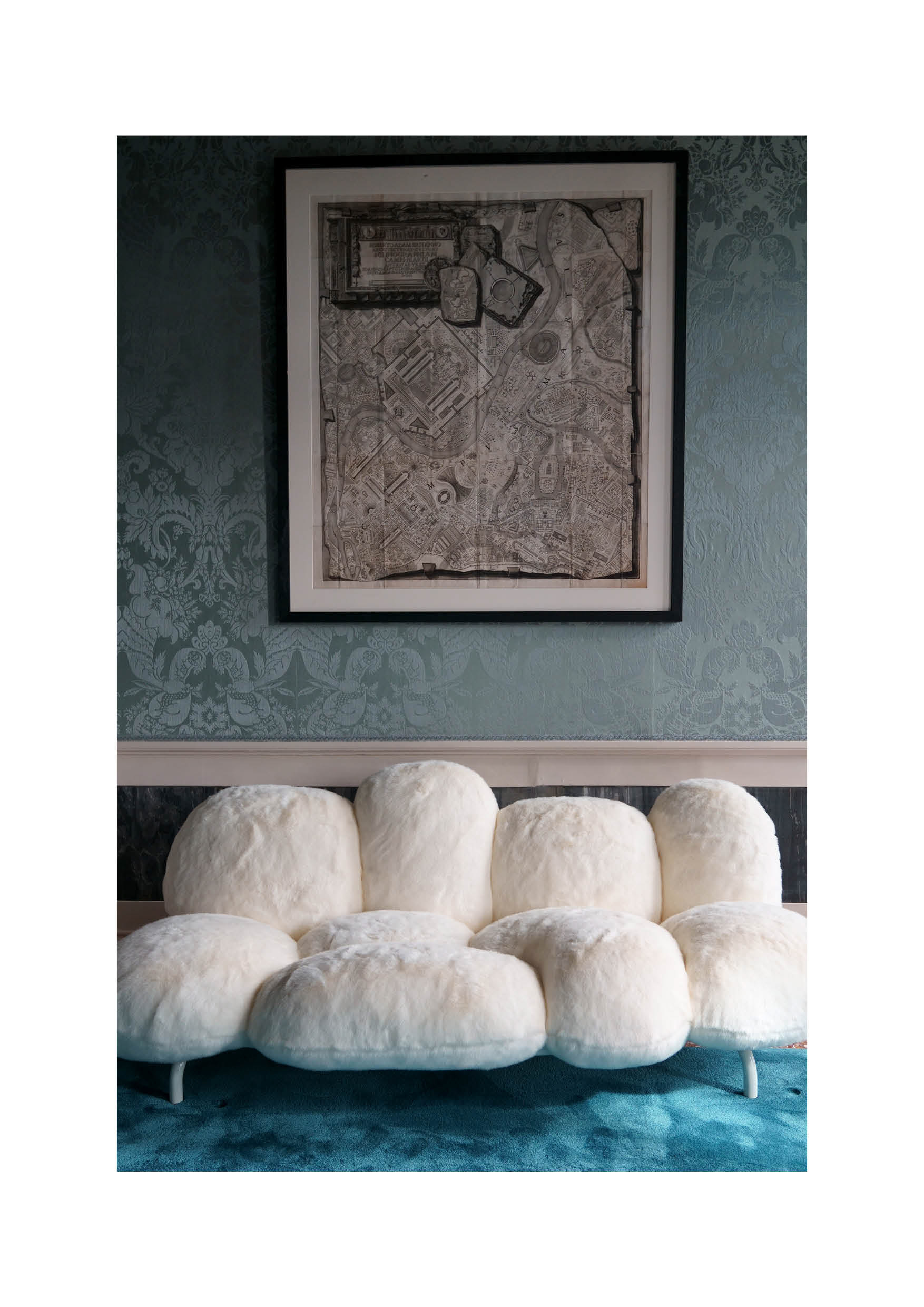
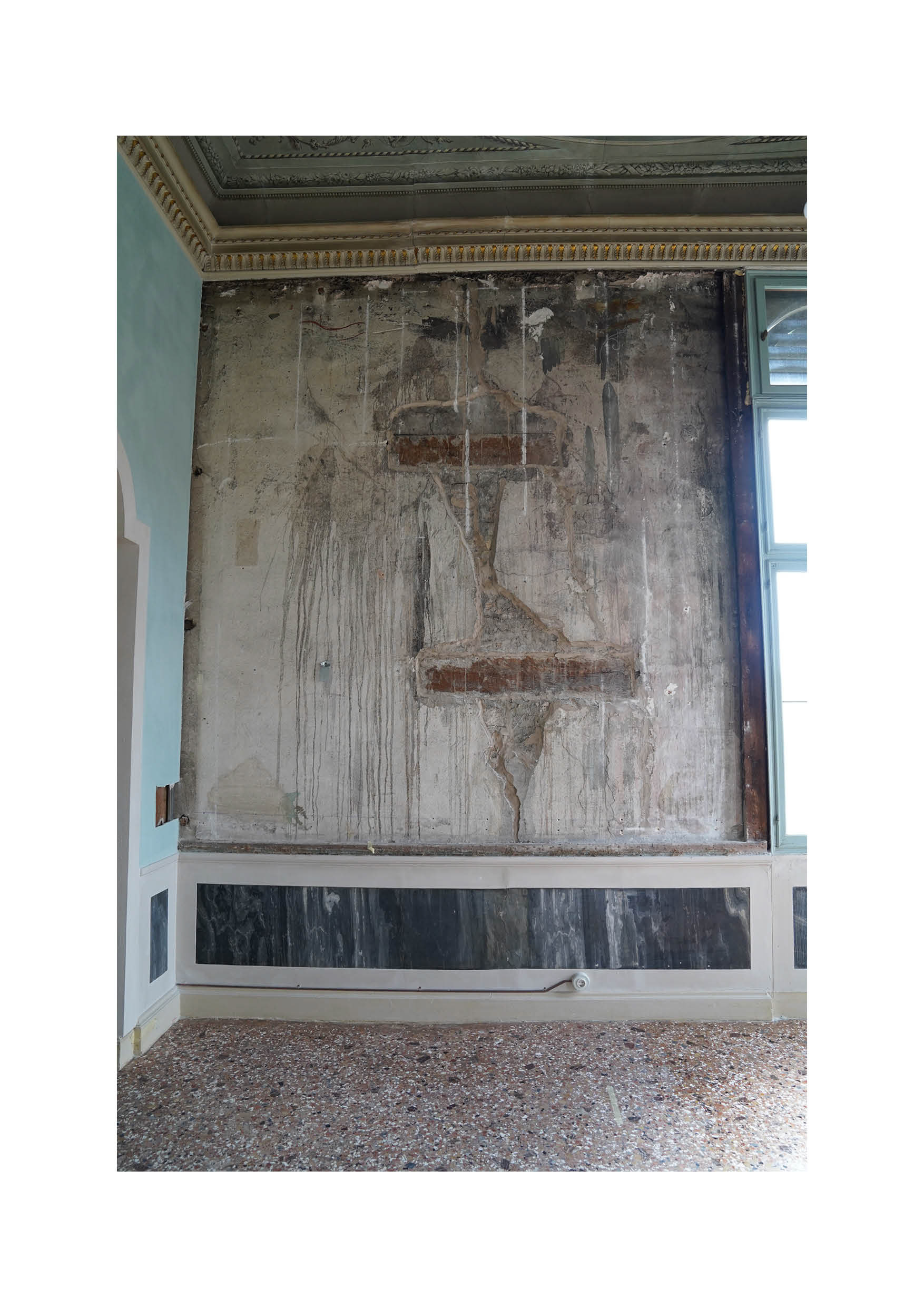
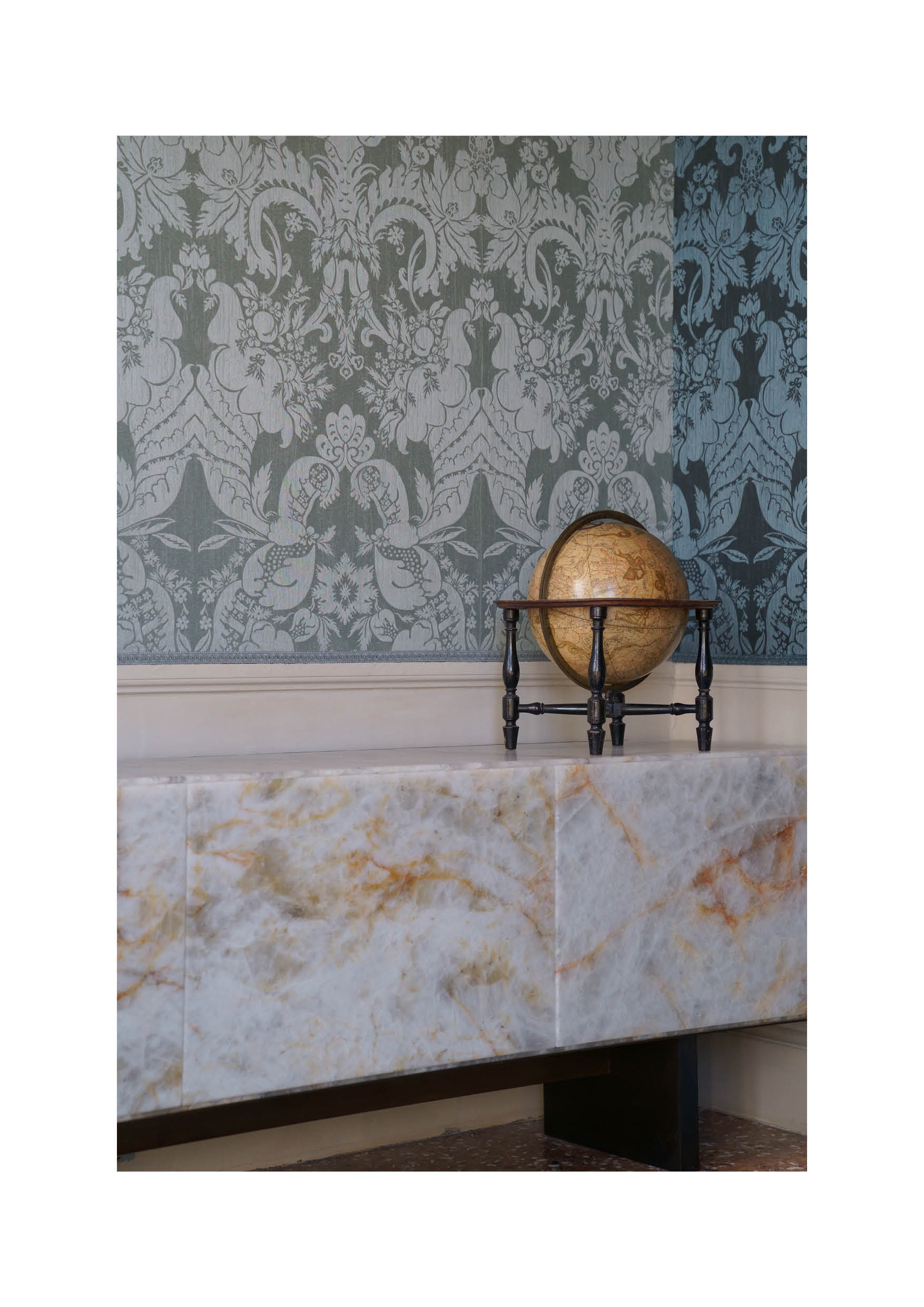
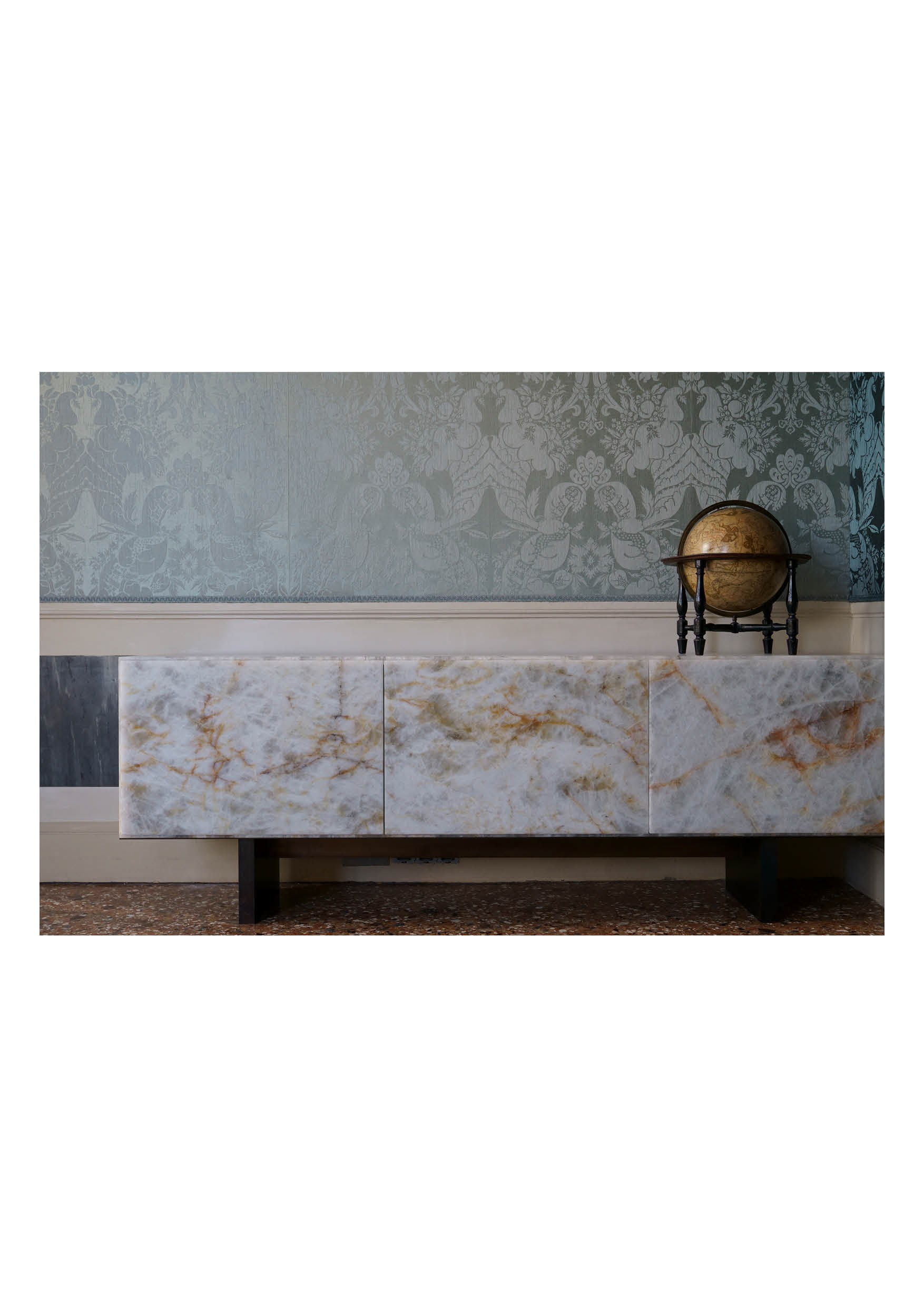
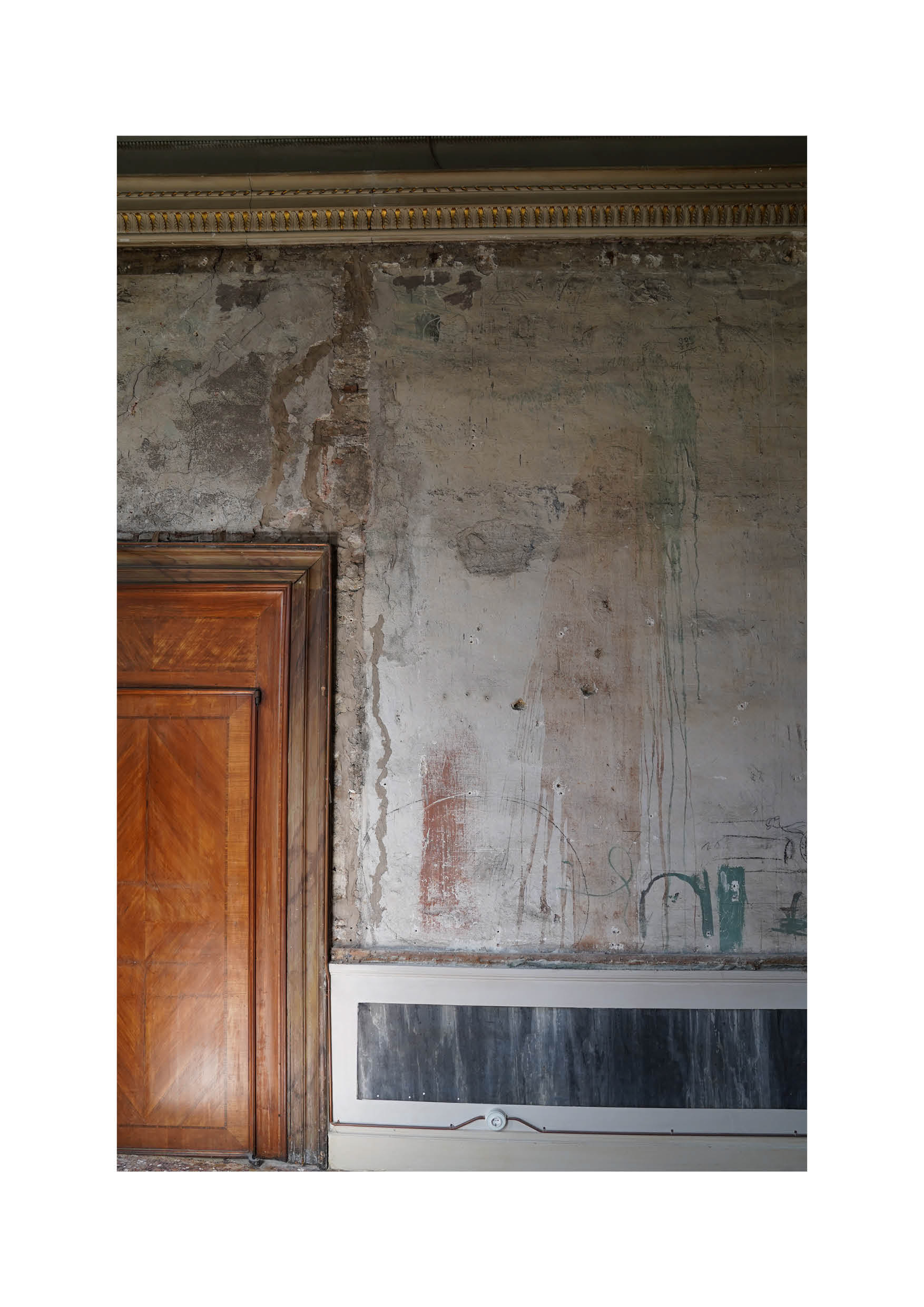
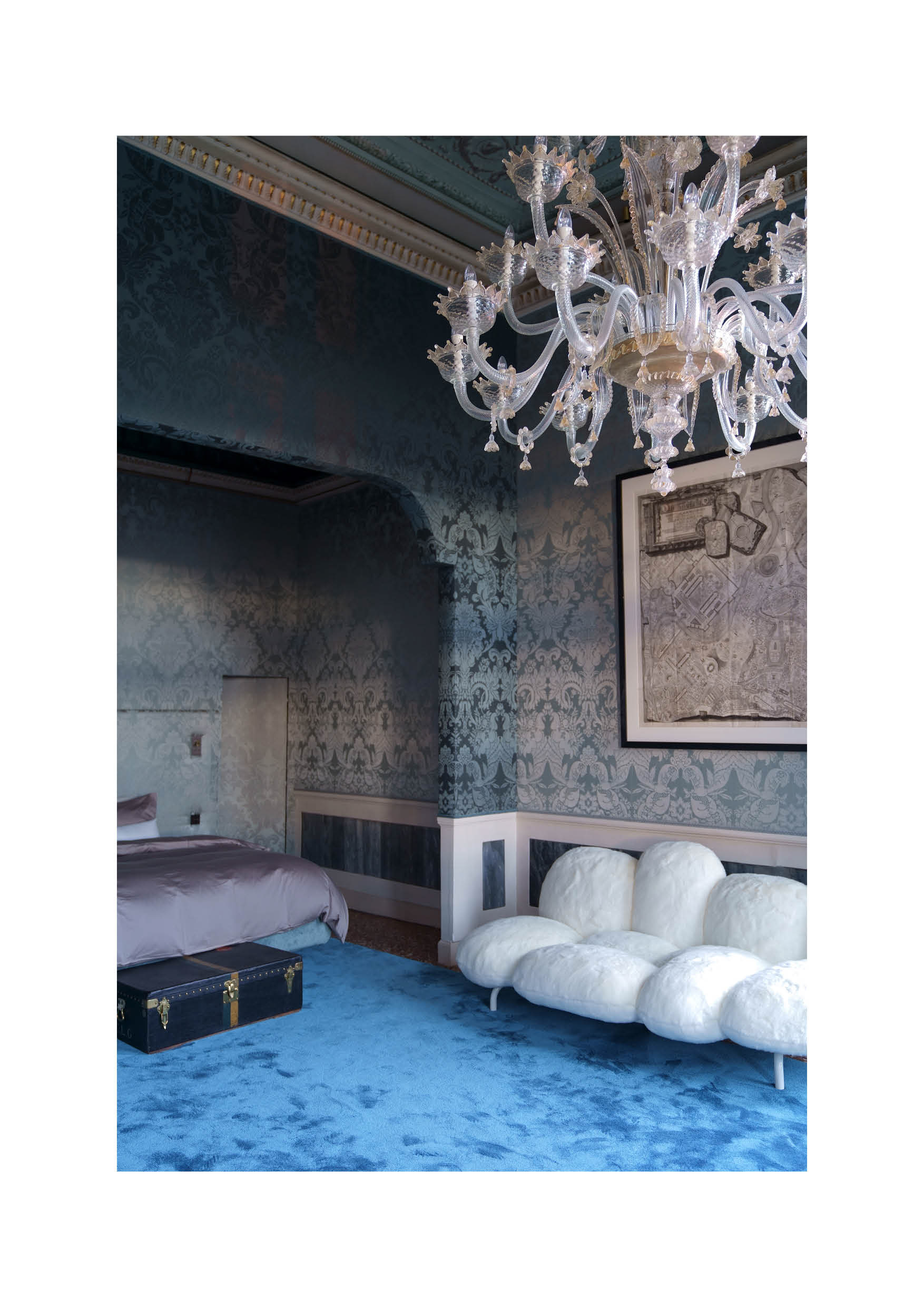
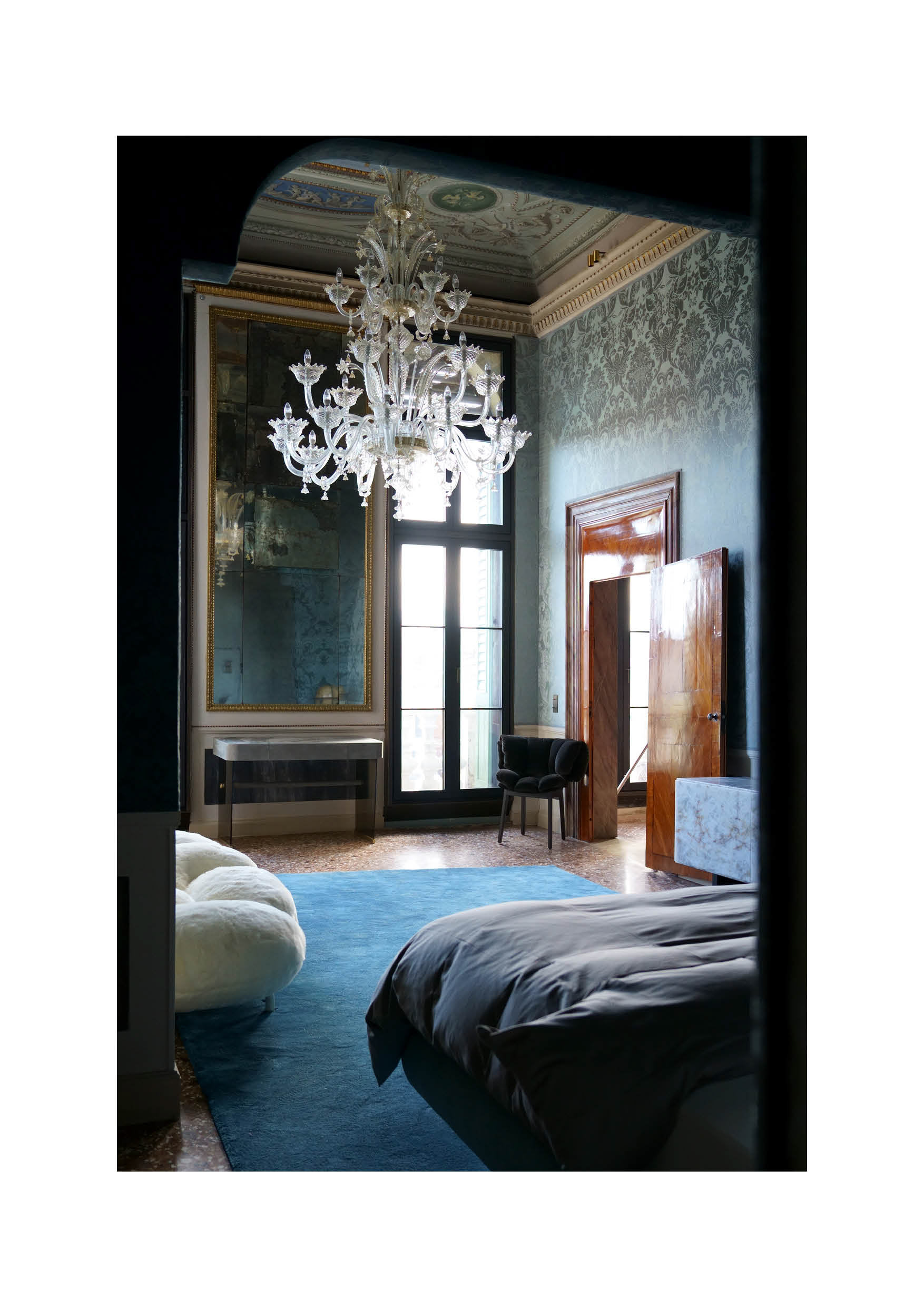
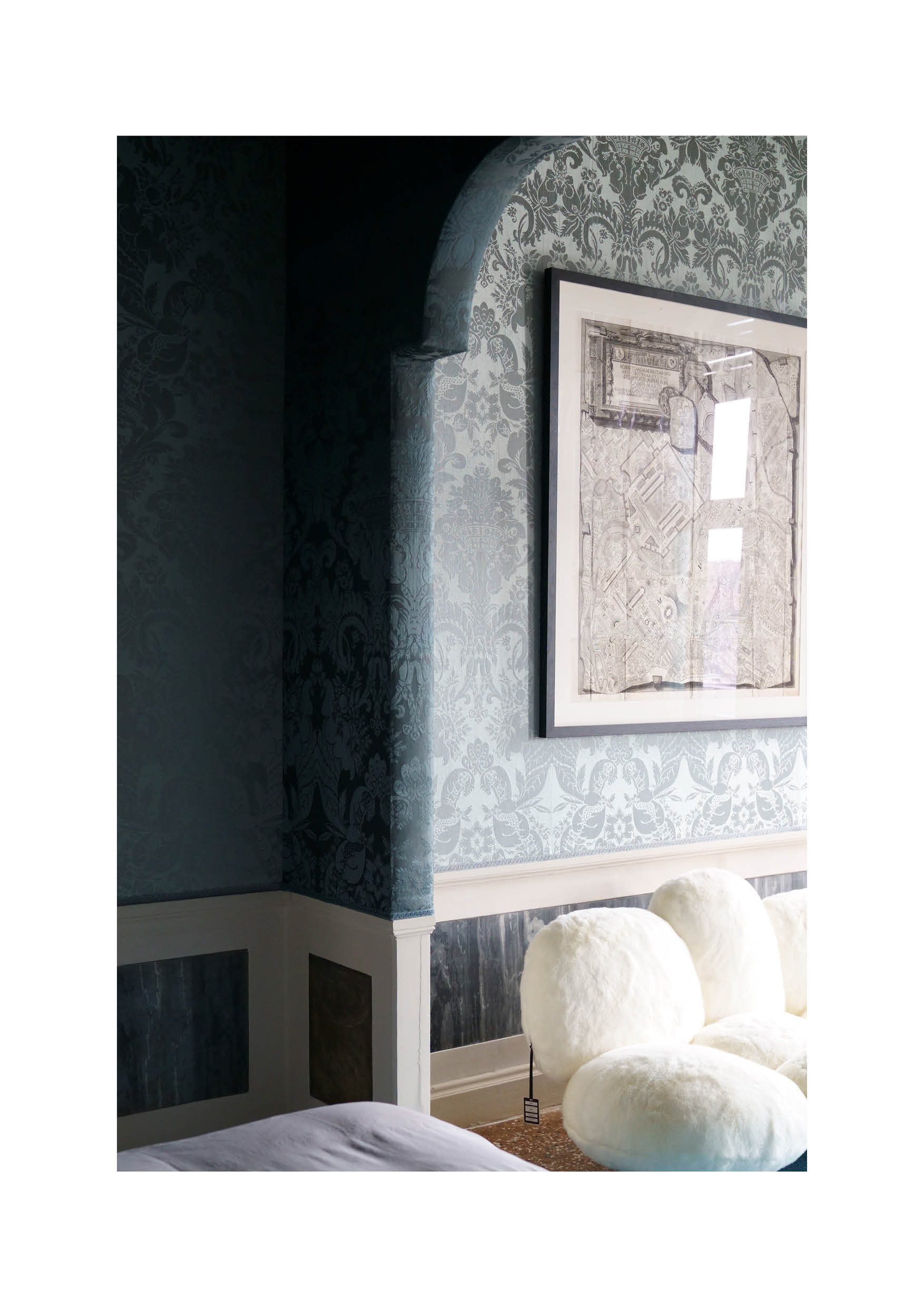
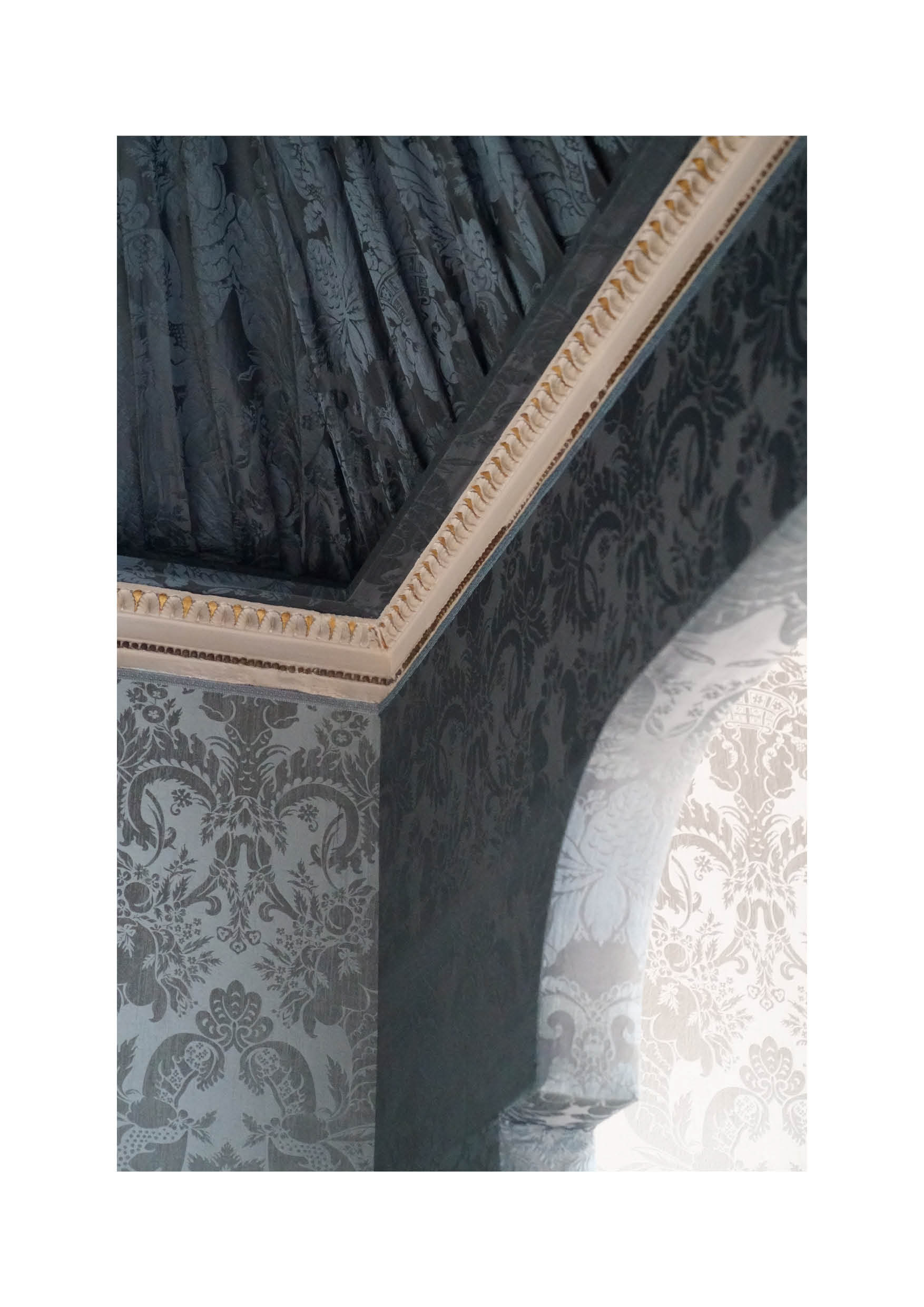
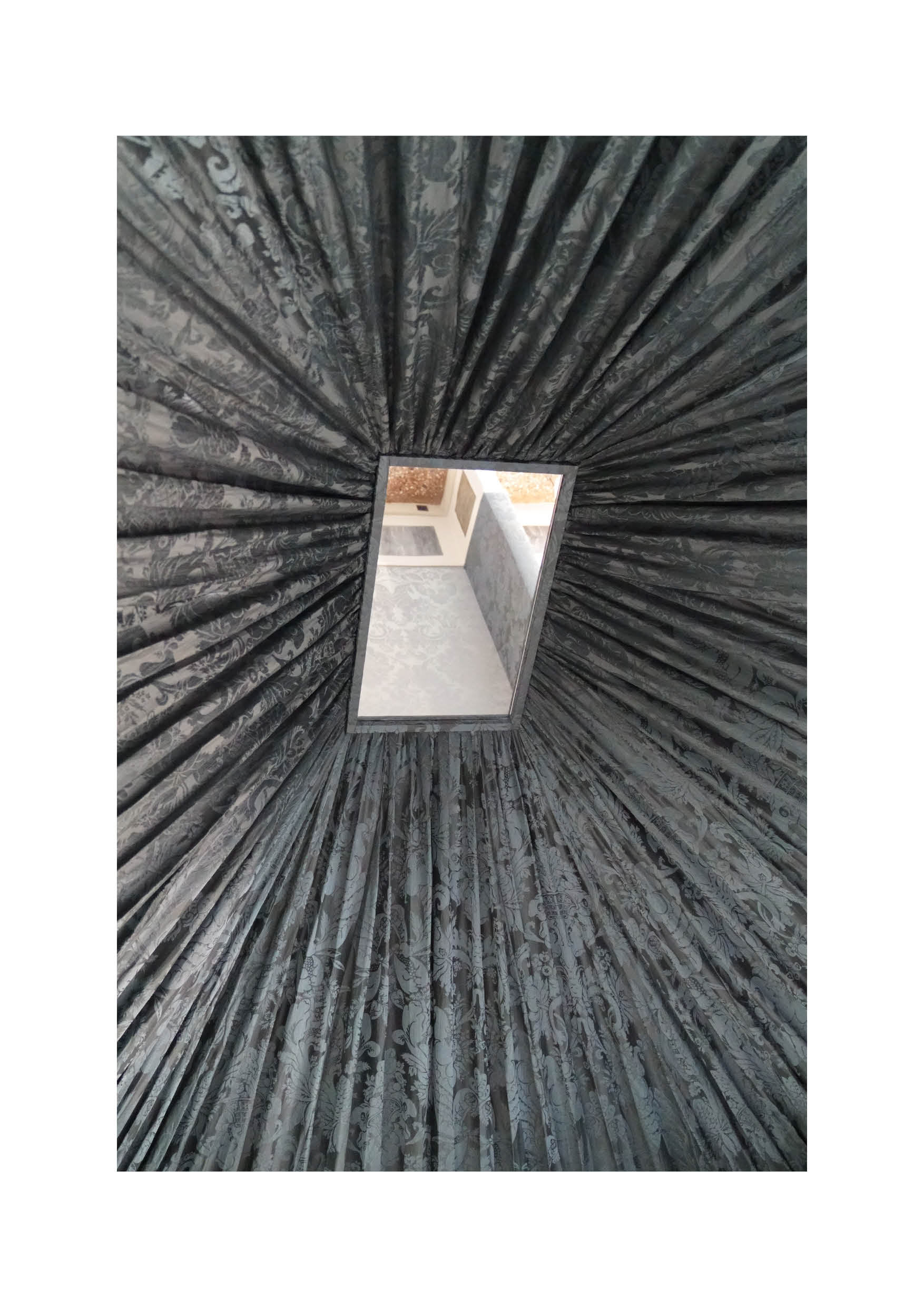
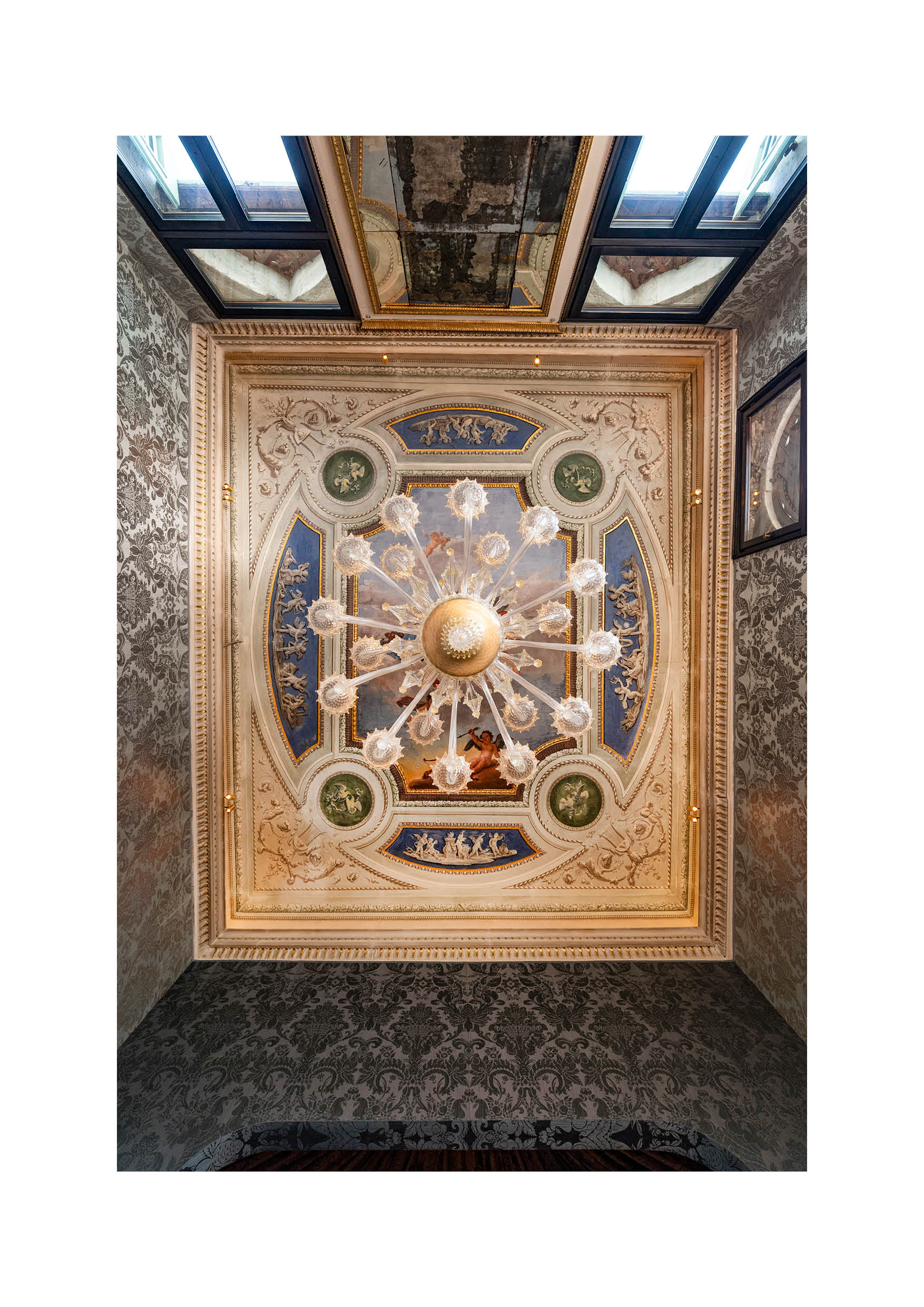
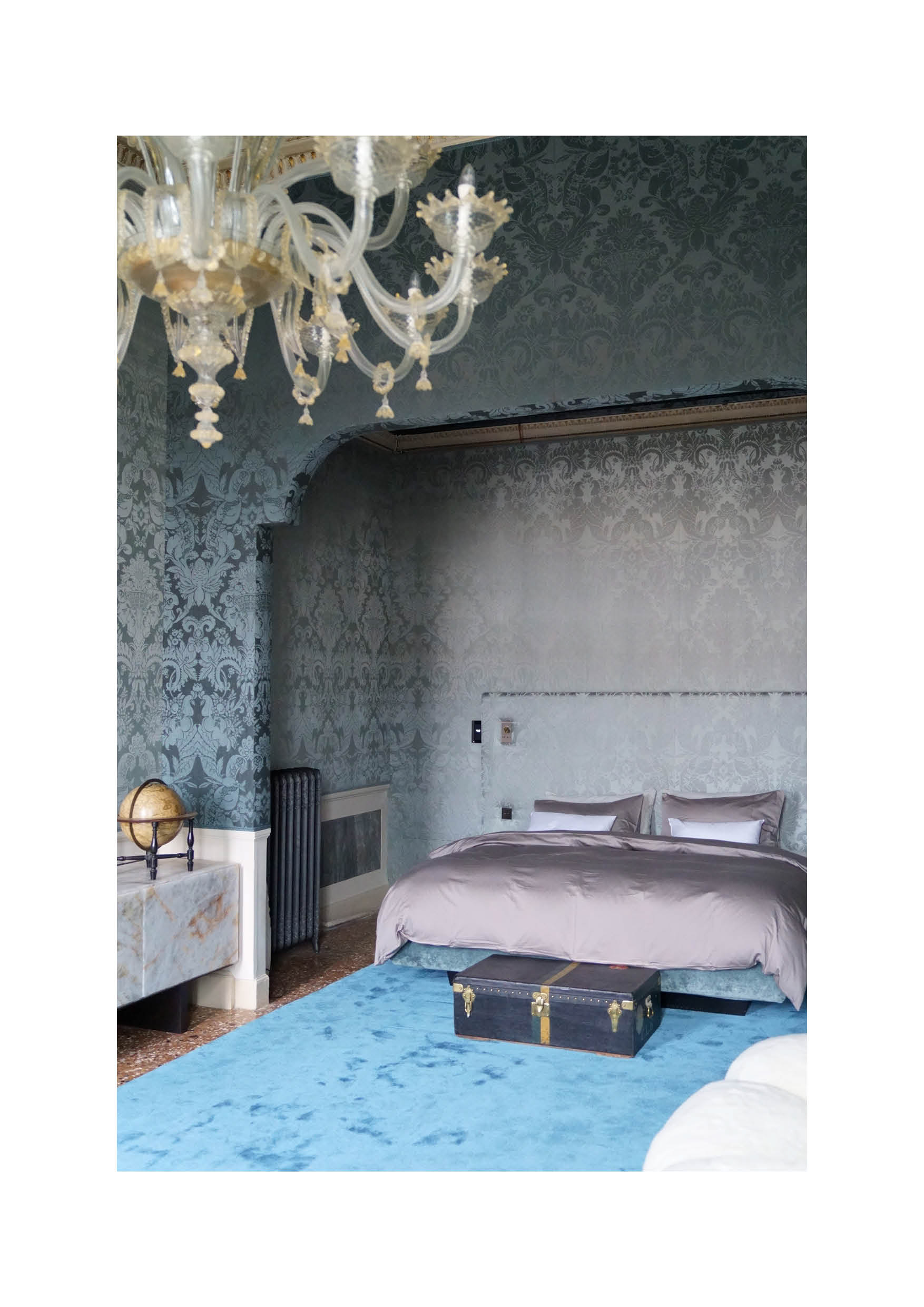
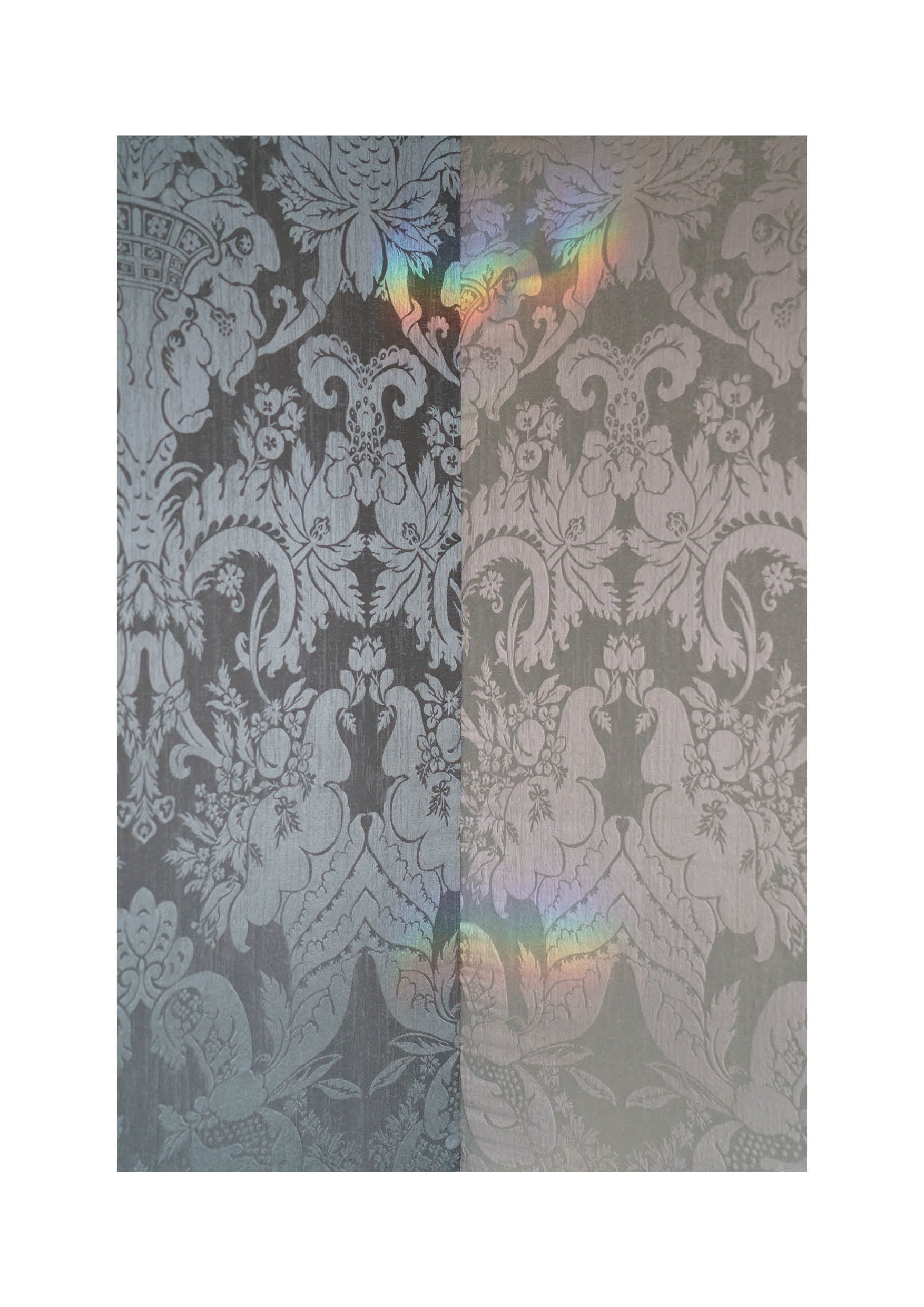
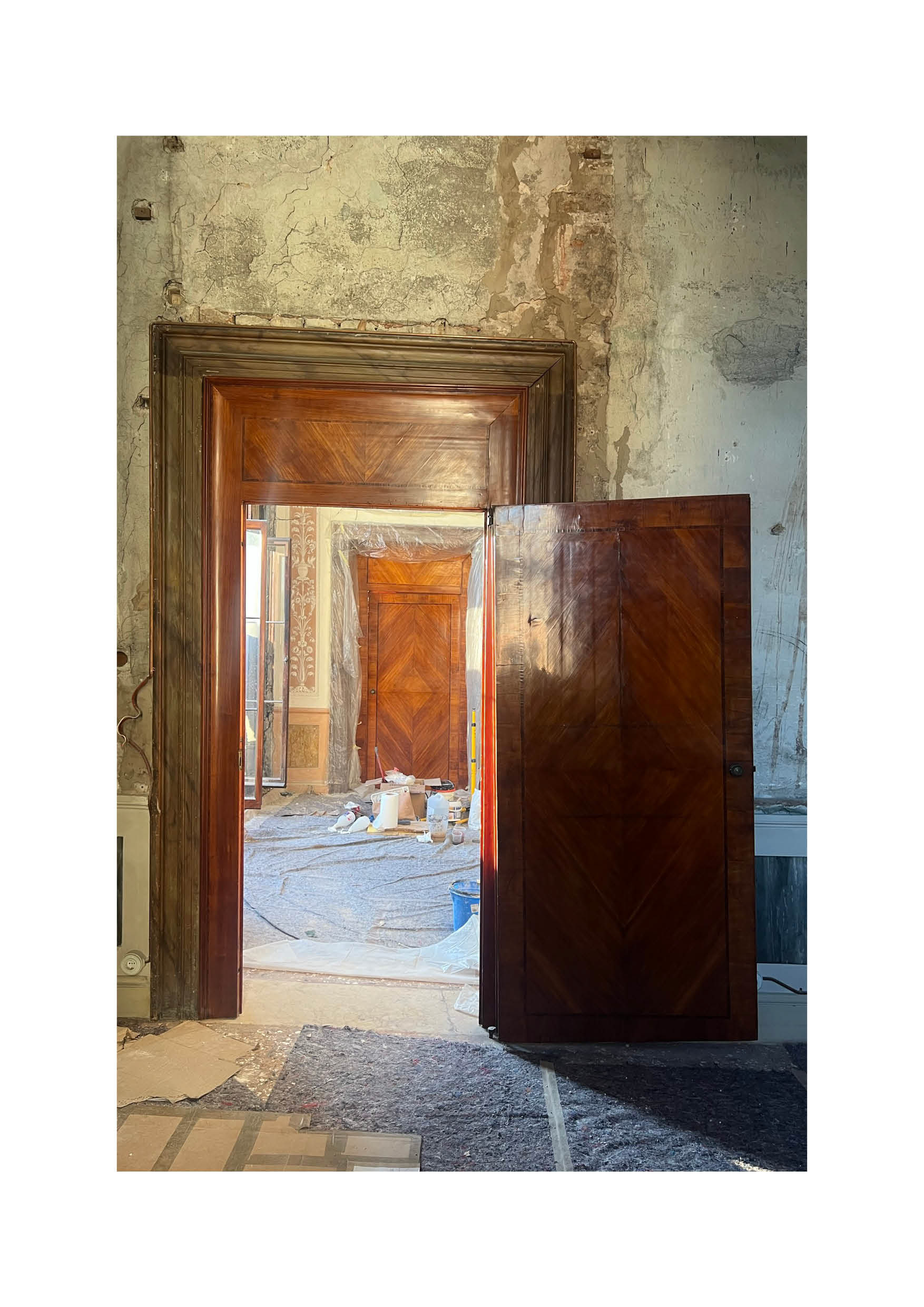
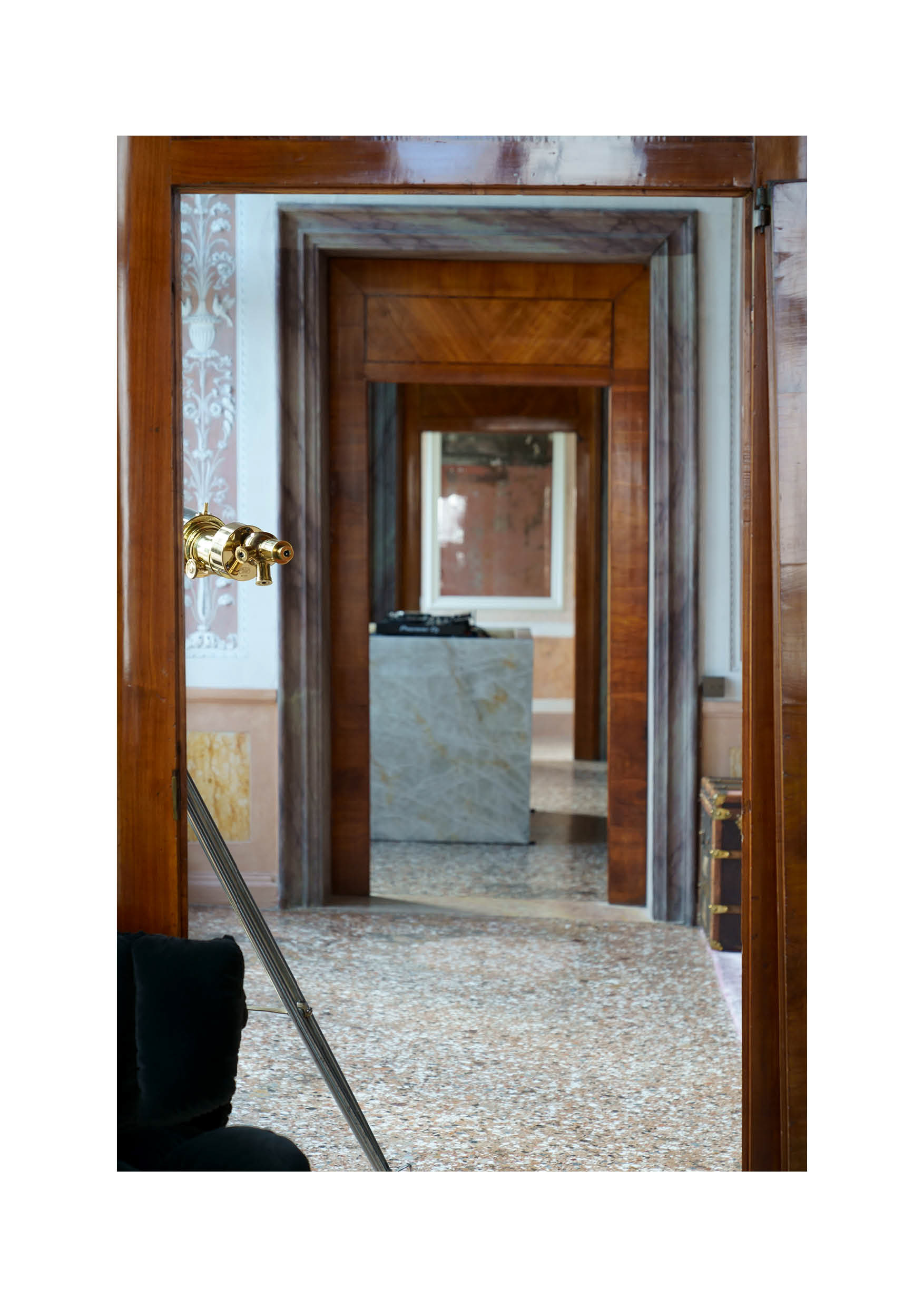
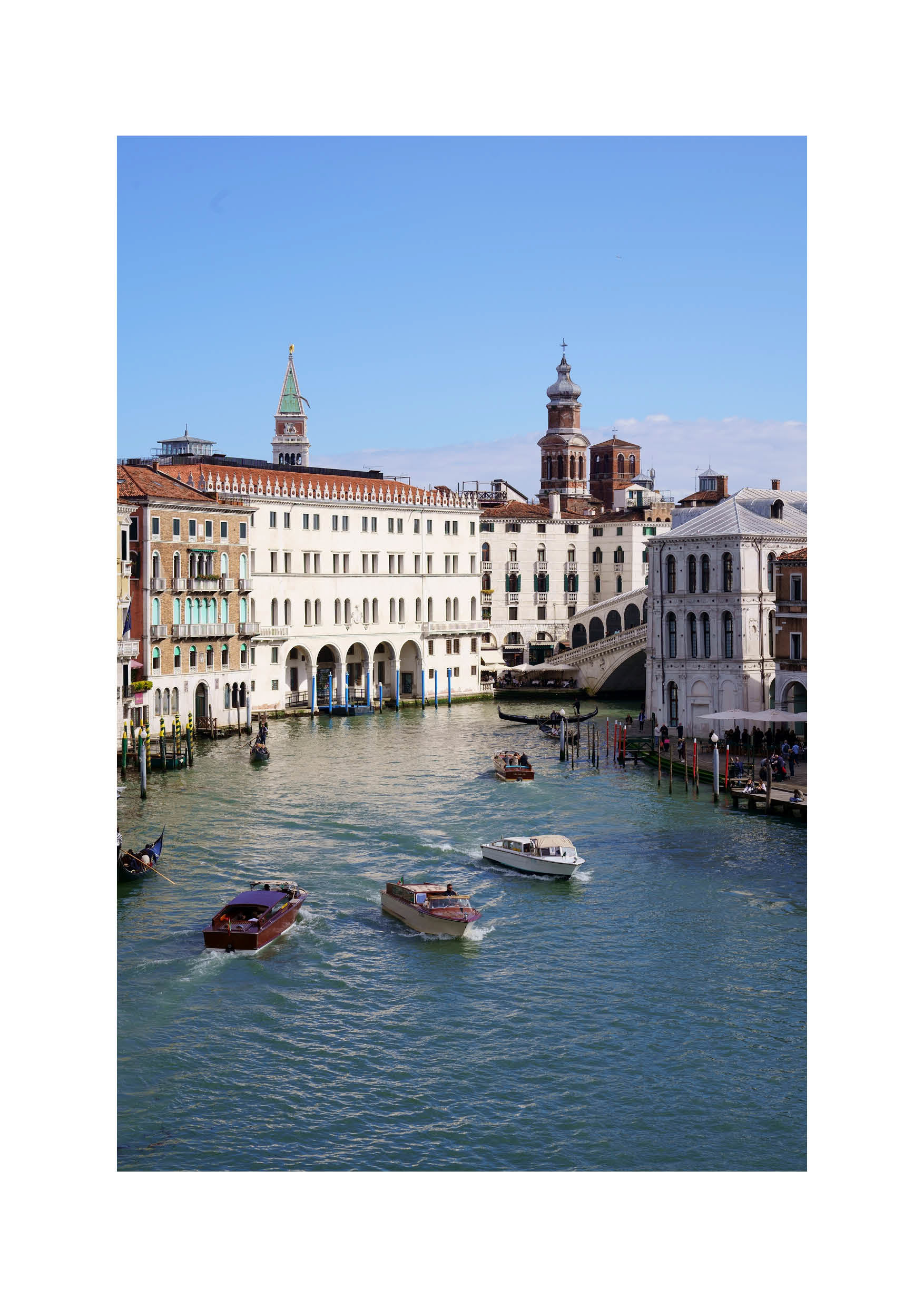

Just a few steps from the Rialto Bridge, where light dances across the water and the façades of Venice seem to whisper their stories, one of the historic piano nobile apartments of Palazzo Michiel del Brusà has been brought back to life. For entrepreneur Alexander Schütz, a retreat was created that naturally brings together business, social life, and private living, while sensitively revealing the centuries-old identity of the building. Palazzo Michiel del Brusà, whose history reaches back to the 10th century, is among the rare surviving examples of Venetian architecture. After the devastating fire of 1774, which gave the building its nickname “del Brusà” – the burned one – only the Gothic façade facing the Grand Canal remained. The interior was completely rebuilt and repeatedly altered over the following centuries. The current renovation of the piano nobile continues this layered history, but with great care and respect. Under the strict supervision of the Soprintendenza, later additions were removed layer by layer to reveal the original character of the palazzo and allow its architectural identity to re-emerge. As in the work of the Venetian architect Palladio, a clear alignment along axes of symmetry played a central role. This design tool runs through the entire project, providing a calm, ordered framework that counteracts the sloping floors and irregularly proportioned rooms. A metal “ripple” ceiling element brings additional light into the deeper interior spaces – an effect that occurs naturally in the rooms facing the Grand Canal, where reflections from the water animate the ceilings. Since no wall in the palazzo is neutral or white, but each surface already carries its own character, a key task was to coordinate the color worlds so that they reinforce the spatial impression in harmony. Alongside logistics – in Venice, everything is delivered by boat – one of the greatest planning challenges lay in the existing fabric: no floor is level, no wall truly straight. Spatial sequence Portego – Reception: Full-height curtains, cloakroom, and an Alfred Hrdlicka sculpture beneath a Venetian chandelier. Portego – Gallery: Art presentation and a ripple ceiling evoking the surface of water. Cucina – Kitchen and buffet: The central hub of the apartment, with Tiffany stone used for the table, door frames, and worktops; mirrors by Andreas Duscha. Sala da Pranzo – Dining room: Dining table in shimmering Big Lemurian Blue; chandelier by Marco Dessí and Barovier & Toso, inspired by Venetian window arches; mirror above the fireplace by Andreas Duscha. Spazio Aperitivo – Bar: Bar area with red Void loudspeakers, DJ booth, wall paneling, wall textiles, artworks, and side tables made from leftover stone materials. Alcova – Séparée: A small, dreamlike private niche featuring embroidered Venice stories by the artists Chuni Boyz. Salotto Veneziano – Living room: Furniture by Kohlmaier Wien, mirrors by Andreas Duscha, and objects collected by the client, Alexander Schütz. Camera Padronale – Master bedroom: Textile wall coverings, an Edra sofa, canopy bed, and views toward the Rialto Bridge. Toilette & Bagno Padronale – WC and bathroom: Natural stone surfaces and semicircular lights that complete a full circle in the mirror; ripple ceiling. Textile wall coverings For the wall coverings of the principal rooms, Broccatello was selected. Its relief-like structure lends the spaces a tangible depth. The interplay of two warp and two weft threads in silk and linen, woven in satin and twill, creates a pattern that stands out clearly from the background, especially in the steeply angled light entering from the Grand Canal façade. The custom-developed “Acanto” motif was designed with a subtle patina, allowing it to integrate naturally into the historic context of the palazzo. In total, around 600 meters of fabric were used, woven on 19th-century looms at the Bevilacqua manufactory. The wall coverings also serve to elegantly conceal building services behind them. Stone The long tradition of Venetian stone craftsmanship finds a contemporary continuation in the palazzo. For each room, a precisely tuned selection of international natural stones was made. Particularly striking are Big Lemurian Blue and Baobab from Madagascar, whose embedded, shimmering spectrolite particles enliven the surfaces, echoing reflections on water. At the heart of the palazzo, in the kitchen and adjoining buffet, a light and joyful palette is defined by Tiffany stone from Brazil, a white-green material that has become almost impossible to source in this coloration worldwide. The bathroom is executed entirely in Calacatta marble. Classical Italian elements such as fluting were realized here with contemporary craftsmanship and precision. Some of the stones used are now extremely rare, having increased in value since their purchase in 2022 by up to 300 percent. Such deposits often reappear on the market only once every ten to twenty years. The greatest challenge resulted from the combination of logistics and the existing structure. In Venice, every transport takes place by boat, and within the palazzo no floor is level and no wall straight. Differences in height of up to thirty centimeters had to be compensated. Door thresholds were adjusted, walls reinforced, and fixings achieved in masonry only ten centimeters thick – a technically demanding task. Additional stones used include Sahara Noir, Frappuccino, Frappuccino Extra, Iceberg Wow, Illusion Grey, and Calacatta. Remaining material was processed and transformed into side tables using a tongue-and-groove assembly system. Dining room chandelier Together with designer Marco Dessí and the historic glass manufacturer Barovier & Toso, a chandelier was developed to complement the dining table. In dialogue with the blue-shimmering stone surface, an allusion to moving water, a floating light object emerged whose form references classical Venetian window arches. Composed of hand-blown, twisted glass tubes precisely threaded together, the chandelier unfolds a rhythmic structure of eight elements. Mirrors The aesthetically aged mirrors with their patina were consciously preserved, as they tell the story of this historic palazzo. This approach was continued in the newly introduced wall mirrors, combined with works by Andreas Duscha. His mirrors are created using an oxidative silver nitrate technique, applied, developed, and polished by hand. The result ranges from matte to highly reflective surfaces with deliberate patina and abstract imagery. The connection to Venice is clear: mirror-making was perfected on Murano, and Duscha carries this tradition forward in a contemporary way through precise craftsmanship and Venetian patina. Void loudspeakers in the bar On the second upper floor, a high-quality audio system was installed. During the first sound check in summer, with the windows open, the sound was crystal clear within the space. To test whether it carried outside, one looked out onto the Grand Canal and discovered several gondoliers dancing, clapping, and urging the music to be turned up. An unmistakable sign of the system’s quality. Restoration For the conservator as well, working in Venice was something special, as Venetians are justifiably proud of their craftsmanship and the heritage authorities act with great care. At Palazzo Michiel del Brusà, it was a remarkable experience to uncover the brilliance and rich coloration of the historic Marmorino, previously painted over four times, and to see the rooms restored to their original glow. Equally extraordinary was the opportunity to view the wall paintings by David Rossi up close and gently remove water stains. Restoring the hand-carved, gilded mirror frames and supplementing the heavily corroded silver mirrors, damaged by centuries of oxidation, was among the most rewarding aspects of the project. At the start of the works, two openings in the four-window group facing the Grand Canal had been bricked up. Initially, the Venetian heritage authority considered these closures historically evolved and opposed reopening them. Through extensive investigations, including archival research and chemical analyses of materials and plaster mixtures, it was proven that the infilling did not date back to the period of Rossi and Cedini’s decorations, but occurred around forty years later. This made it possible to restore the original façade composition and the impressive daylighting of the rooms. During the works, stucco elements in the principal rooms were restored and completed, all Venetian terrazzo floors refurbished, and the Marmorino wall surfaces renewed in gloss and color. Technical installations required particular care, as drilling or cutting into the richly decorated walls was not possible. Many services were therefore routed through plinth zones, built-in furniture, and undecorated areas of suspended ceilings. The brocade wall coverings woven at the Bevilacqua manufactory on 19th-century looms were also used to invisibly integrate building services. Special attention was given to the windows. To align them flush with the textile wall coverings and plaster surfaces, custom-made frames in bronzed metal were developed and directly connected to the walls. The windows themselves were specially designed for the project so that frames, timber elements, and glass lie perfectly flush, meeting without perceptible transitions. Despite the quadruple glazing, which ensures high acoustic and thermal performance, the profile dimensions correspond to those of the delicate late-18th-century windows that were preserved and restored wherever possible. History A residential building has stood on the site of today’s palazzo since the late 10th century. The current appearance dates back to the reconstruction of 1467, when existing Gothic forms were continued. Over time, the building was repeatedly altered, with a particularly significant transformation at the end of the 17th century, when the top floor was added and the terraces redefined in Istrian stone. The name “del Brusà” derives from the devastating fire of 1774, which nearly destroyed the building. The fire was reportedly caused by the negligence of a maid who placed too much wood on the hearths. Three years later, the palazzo was rebuilt, with financial support from the Republic of Venice in recognition of the family’s merits. The family belonged to the twelve so-called apostolic families, the first twelve patrician families of Venice. Only the load-bearing exterior walls were reused. The Gothic façade remained, while the interior was entirely redesigned. The frescoes on the first and second upper floors are by Jacopo Guarana, an important Venetian painter of the 18th century. The stucco work was executed by David Rossi and Jacopo Cedini, both outstanding artists of their time. Palazzo Michiel del Brusà is among the last private building projects supported by the Republic of Venice before its fall to Napoleon in 1797. Client: Alexander Schütz Architecture and design: Rupert Zallmann, Christoph Wickl, Andreas Pust Restoration coordination: Piero Vespignani & Alessia Semenzato Restoration: Sonja Bulker Textile wall coverings: Tessitura Bevilacqua Stone: Samuel Steiner, Breitwieser Chandeliers: Marco Dessí and Barovier & Toso Lighting: Jakob Uhl Furniture: Kohlmaier Wien Mirrors: Andreas Duscha